
Germination temperature
Germinate from about 4 °C (40 °F) soil; optimum about 27-29 °C (80-85 °F) (Oregon State Extension).
 Visit deodar-seeds.in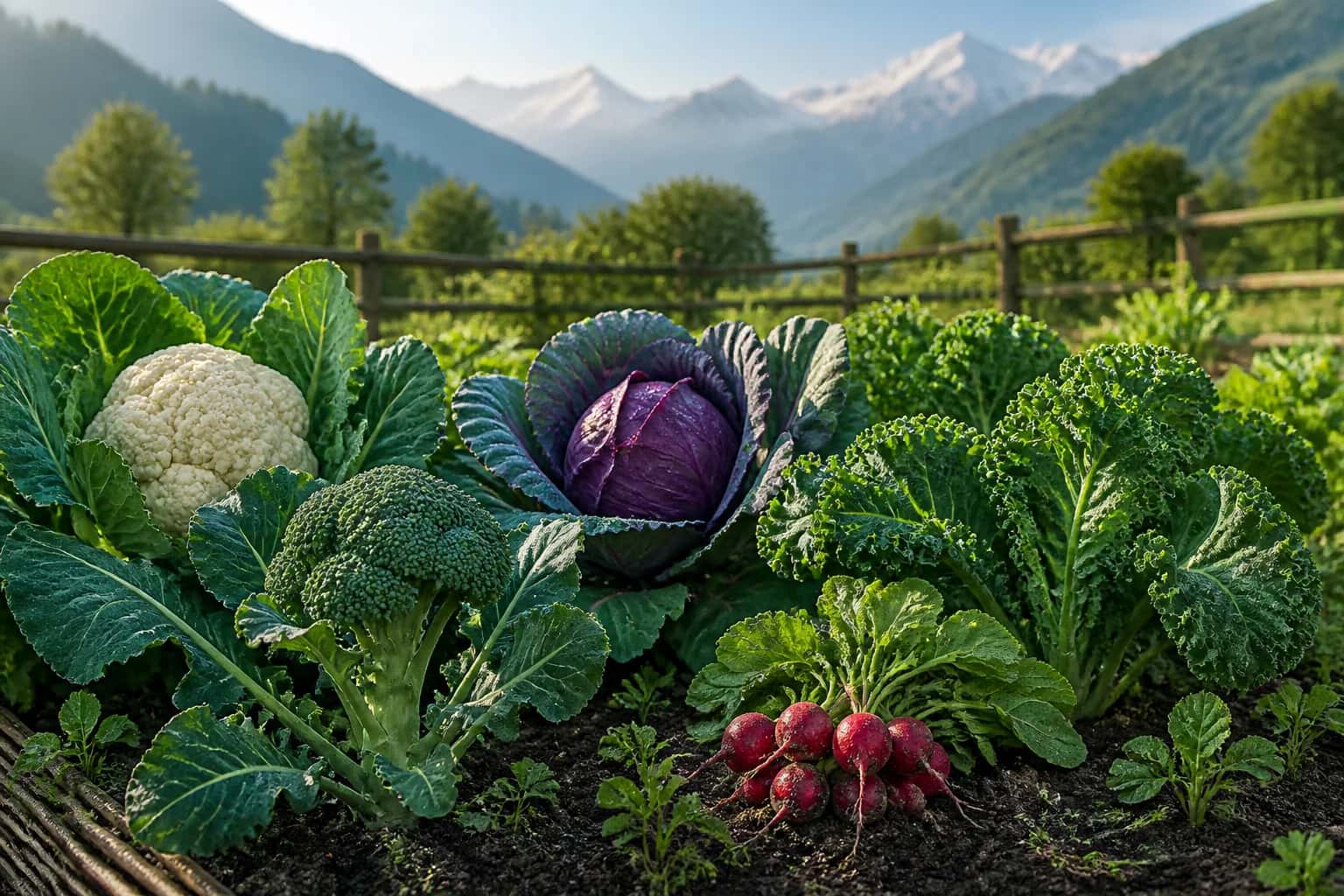
9 growing guides
Cabbage, cauliflower, radish, turnip and their relatives are cool-season crops that germinate readily from early spring or, in India, through the cooler months.
This topic covers the cabbage family (Brassicaceae, the crucifers): cabbage, cauliflower, Brussels sprouts, kohlrabi, Chinese cabbage, pak choi, turnip and radish. They are cool-season crops that germinate from low soil temperatures, grow best in mild weather and share pests and diseases such as club root and cabbage caterpillars. Leafy and head types are usually raised in a nursery and transplanted; root types such as radish and turnip are sown direct. For historical reasons the topic also holds the guides for carrot (Apiaceae) and beetroot (Amaranthaceae). They are not crucifers, but like radish and turnip they are cool-season root crops sown directly where they grow.
Germinate from about 4 °C (40 °F) soil; optimum about 27-29 °C (80-85 °F) (Oregon State Extension).
Cabbage about 6 days at 20 °C (68 °F) and 15 days at 10 °C (50 °F); radish 3-4 days in warm soil; carrot is slower, about a week or more.
None needed. TNAU uses hot water at 50 °C for 30 minutes on cauliflower seed against seed-borne disease.
Cabbage-type crops are transplanted at about 25-45 days (TNAU, cauliflower). Radish, turnip, carrot and beetroot are direct sown.
Open the guide that matches the seed name on your packet.
Indian plains: the cool season; TNAU grows cauliflower from September to February. Temperate climates: spring to late summer.
From a few weeks for radish to several months for heading crops; TNAU schedules a cauliflower crop over 70 days after transplanting.
Sow cabbage, cauliflower, kohlrabi and Brussels sprouts in raised nursery beds, in rows about 10 cm apart, or in cell trays with one seed per cell. TNAU transplants cauliflower at 30-40 days from open beds and about 25 days from protected trays.
Sow radish, turnip, carrot and beetroot thinly where they will grow and thin early. Transplanting distorts their roots.
Plan so that heads and roots form in mild weather. Heat makes heading crops bolt or form poor heads and makes radish woody.
Fine insect mesh keeps out caterpillars, flea beetles and root flies. On ground with club root, raise plants in pots of at least 9 cm before planting out (RHS).
Cabbage, cauliflower and Brussels sprouts: nursery-raised, transplanted crops that need firm, fertile soil and a long cool season.
Chinese cabbage, pak choi and tatsoi: quick crops that bolt in heat and long days; sow in late summer or the cool season.
Kohlrabi, turnip and radish (including pod radish): fast, mostly direct-sown crops for steady small sowings.
Not crucifers, but sown direct in loose soil in the cool season; see the carrot and beetroot guides.
Heat makes cauliflower and cabbage bolt or form loose heads. Time sowing so the crop matures in the cool season.
Radish, turnip, carrot and beetroot fork or stall when moved. Always sow them direct.
Club root spores can stay in soil for up to 20 years. Do not move soil or plants from infected beds; lime acid soil and grow resistant varieties.
Overgrown cauliflower seedlings may form tiny early curds. Transplant at the age the variety and season call for.
Choose cool-season brassicas and root crops and sow them for mild weather.
The guides were filed here historically. Carrot belongs to Apiaceae and beetroot to Amaranthaceae, but both are cool-season root crops grown like radish and turnip, so their guides stay under this topic.
In the cool season. TNAU grows cauliflower on the plains from September to February; hill regions have their own sowing windows, given in each guide.
A soil-borne disease of cabbage-family plants that causes swollen, distorted roots. Its spores persist for up to 20 years, so prevention and resistant varieties matter most.