Visit deodar-seeds.in


About this variety
Grow henna, Lawsonia inermis, from seed. Also known as hina, mehndi, Egyptian privet and the mignonette tree, this perennial shrub is valued for its small opposite leaves and clusters of fragrant cream-white flowers. Lawsonia alba is an older botanical synonym of the same species.
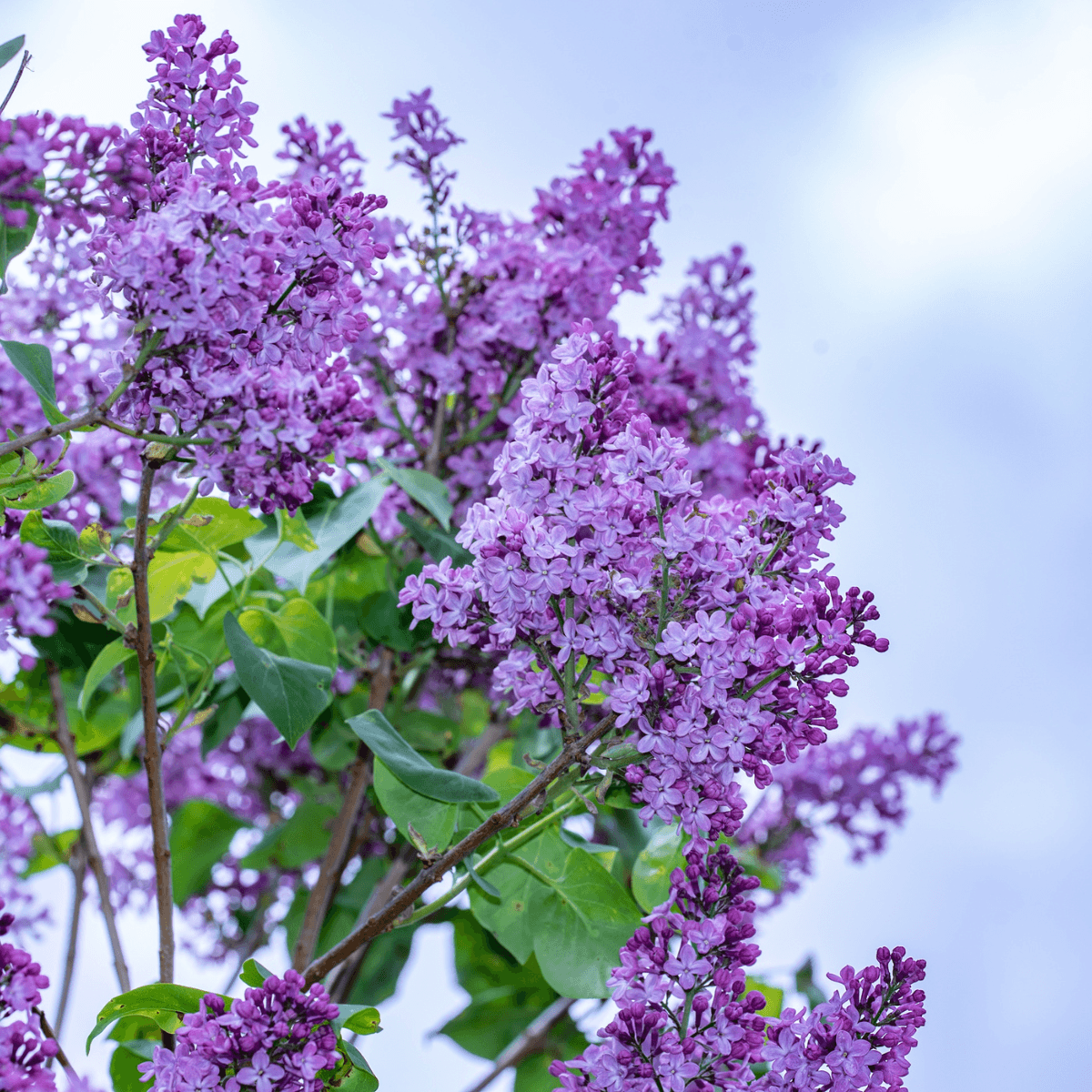
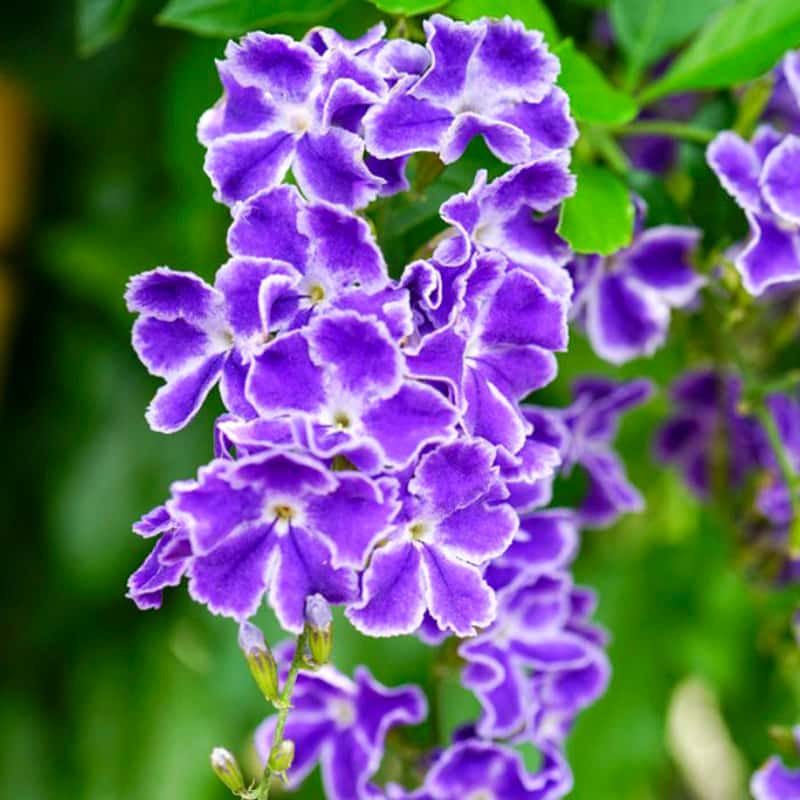
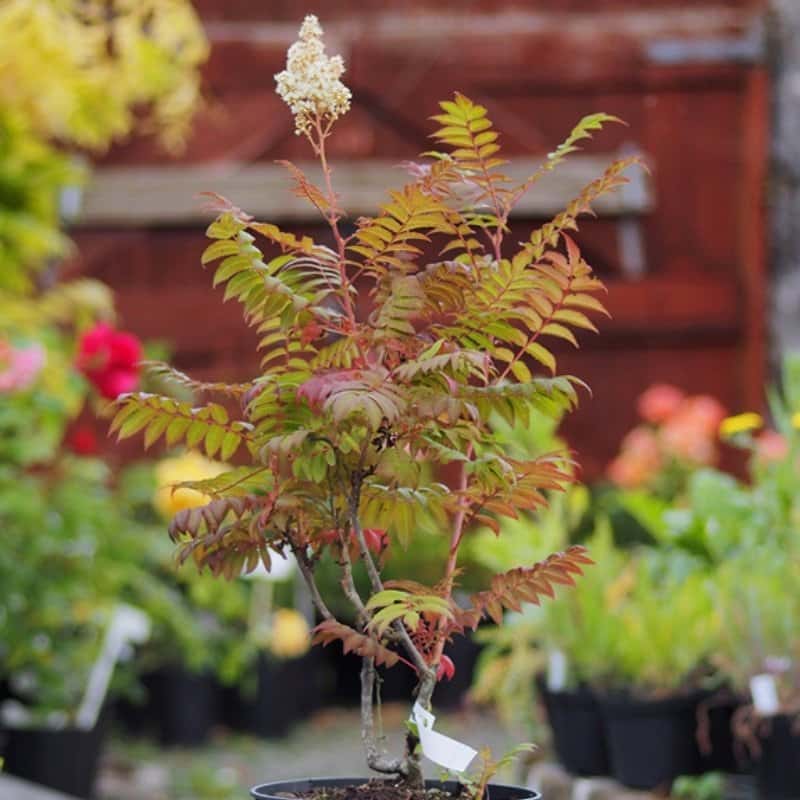
It does not supply henna powder, dye paste or a mature shrub. The gallery shows the plant and its botanical features as growing references.
Henna suits warm, sunny conditions and freely draining soil. In suitable climates it can form a branching garden shrub; container growing provides another way to enjoy its foliage and scented flowers. Give young plants room to develop rather than keeping the root ball continuously wet.
Start the small seeds in a clean nursery container with a fine, well-drained growing medium. Cover lightly, water gently and keep the seedbed evenly moist during establishment. Move seedlings into individual containers when they can be handled safely. Increase sun exposure gradually and allow excess water to drain away after watering. Germination and growth depend on the seedbed and local conditions, so no fixed success rate is promised.
Henna leaves are traditionally used as a source of reddish-brown dye. These seeds are intended for cultivation, allowing you to grow and observe the living shrub. Keep unplanted seed dry and protected from moisture, and sow when you can provide consistent nursery care.