Visit deodar-seeds.in


About this variety
Expect months, not weeks
Royal palm seed is slow. The USDA Tropical Tree Seed Manual says the first seeds may not germinate for 50 to 60 days, with others delayed for a further 100 days. The University of Florida (UF/IFAS) puts it at 5 to 8 months after planting, because the embryo is immature when the fruit falls. Do not discard a pot at three months.
Warmth and sowing
The manual finds that clean seed germinates best at 30–35 °C; UF/IFAS gives about 35 °C as ideal. Remove any fleshy pulp, rinse the seed, and sow it in a well-drained potting mix kept uniformly moist. Do not dry the seed hard or freeze it: the manual treats royal palm seed as intermediate in storage behaviour, neither orthodox nor recalcitrant.
Size and climate
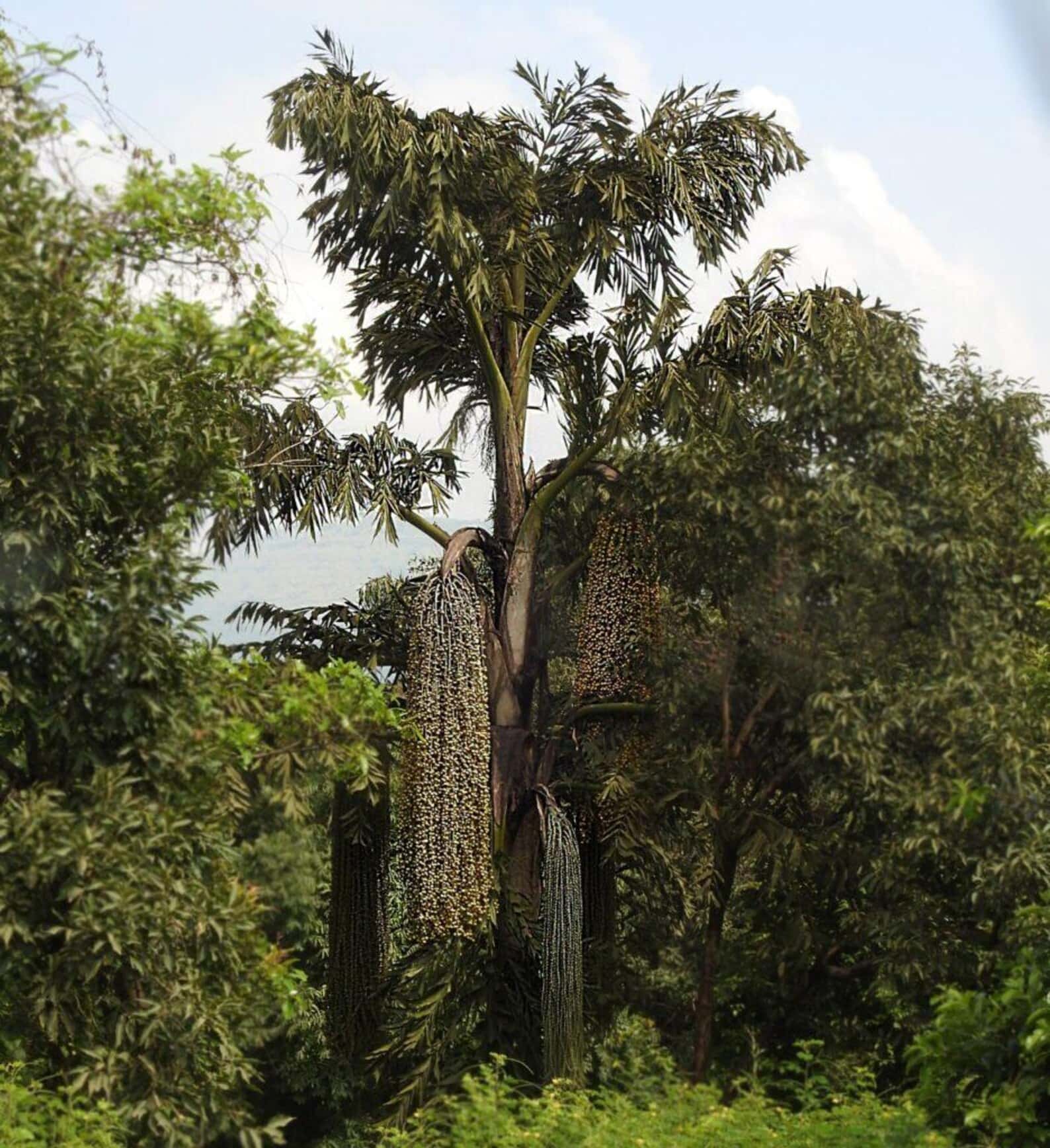
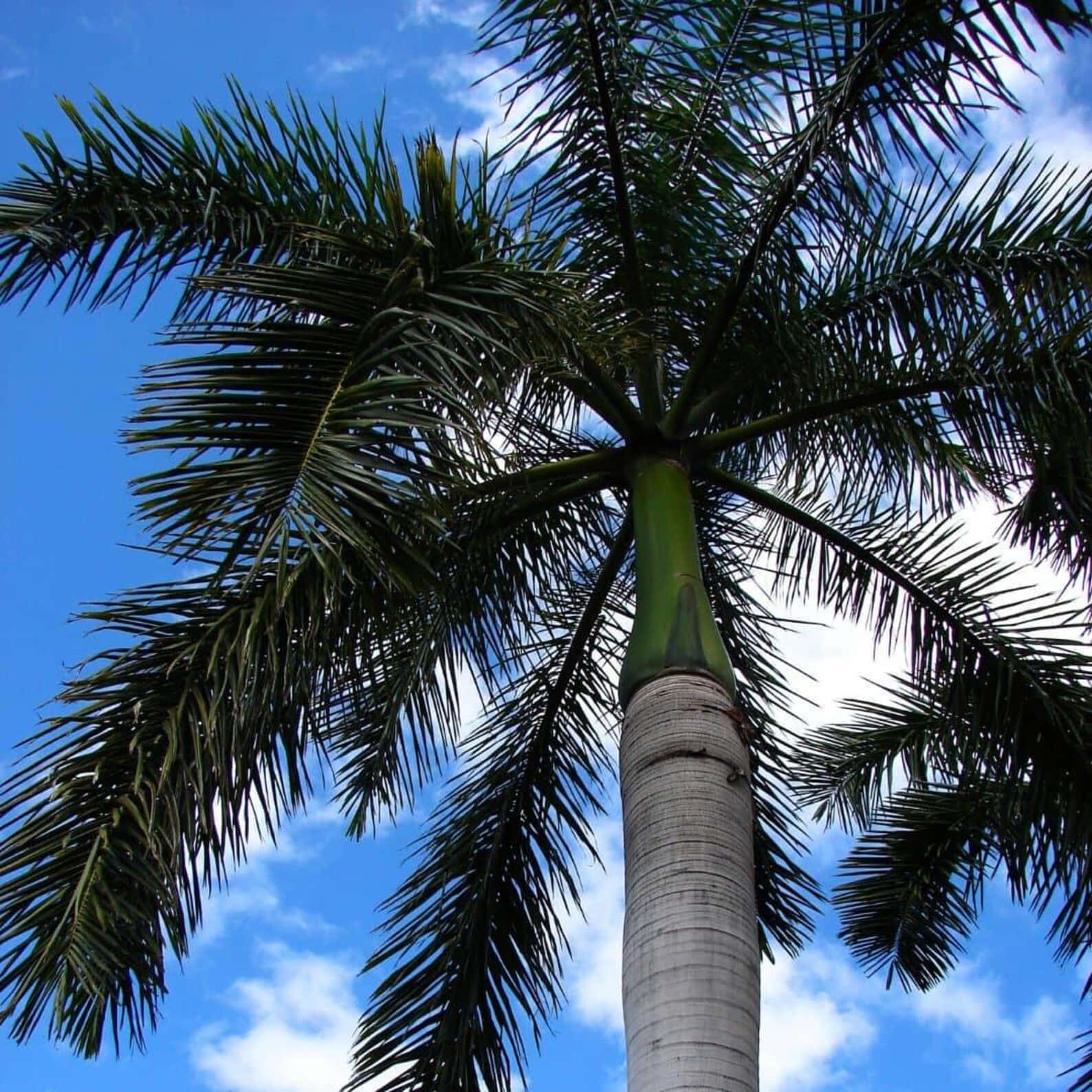
Royal palm grows 15–20 m tall with a canopy 6–7.5 m wide (UF/IFAS gives 50–70 ft and 20–25 ft). It is rated for USDA hardiness zone 10A, cold hardy to about −2 °C. Once established it is quite drought tolerant and tolerates wet soils, but it does not tolerate high salt in the root zone. On limestone or fill soil it is prone to potassium, manganese and boron deficiency.
What the packet is
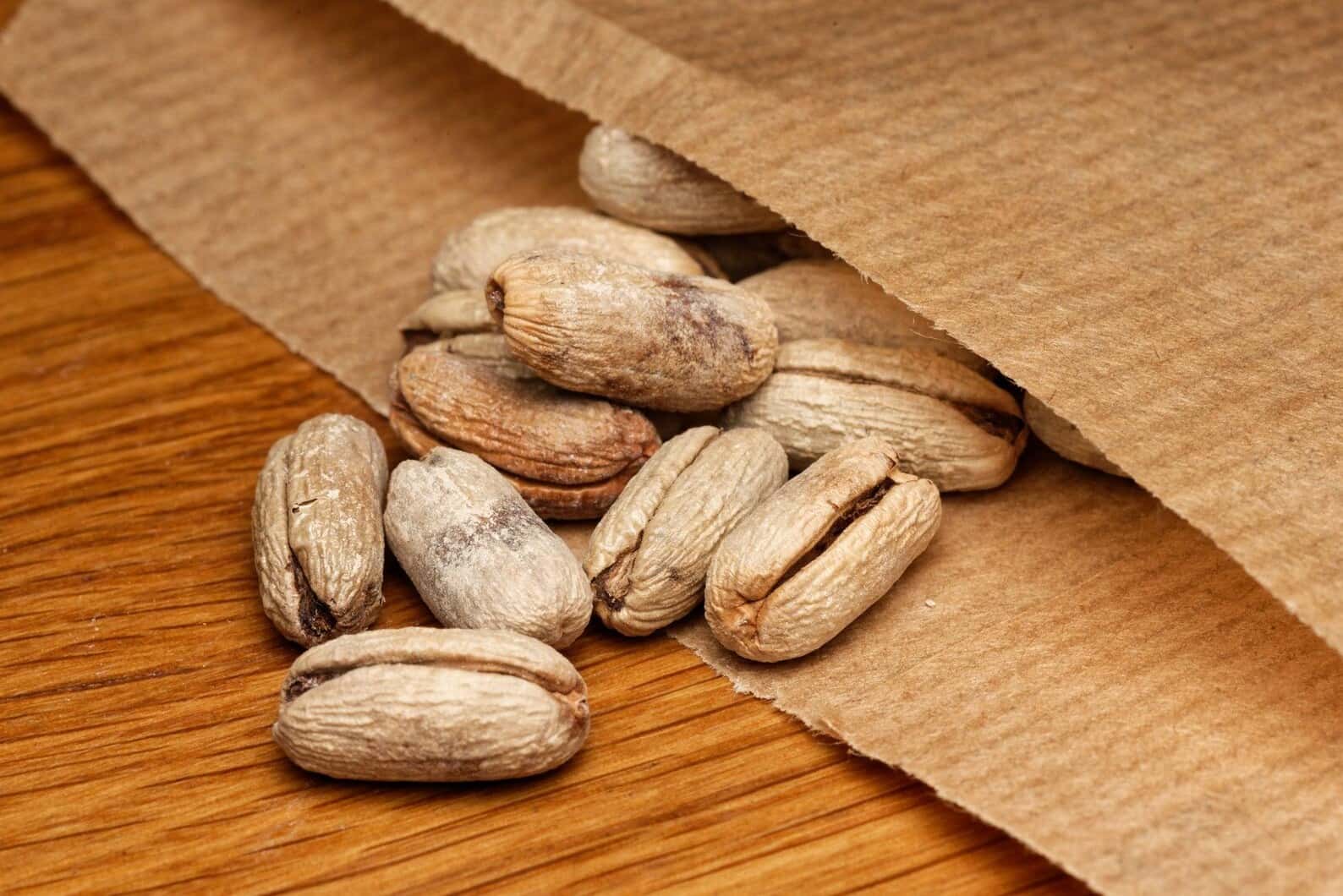
The packet holds 15 seeds of Roystonea regia. No germination percentage is claimed and the age of the seed is not stated. We have no sourced figures for seedling care, so none are given.
Also known as: Cuban royal palm, Florida royal palm, Palma real, Palma real cubana, Palmier royal, Königspalme, Roystoneya korolevskaya, Oreodoxa regia and Roystonea elata.