Visit deodar-seeds.in

About this variety
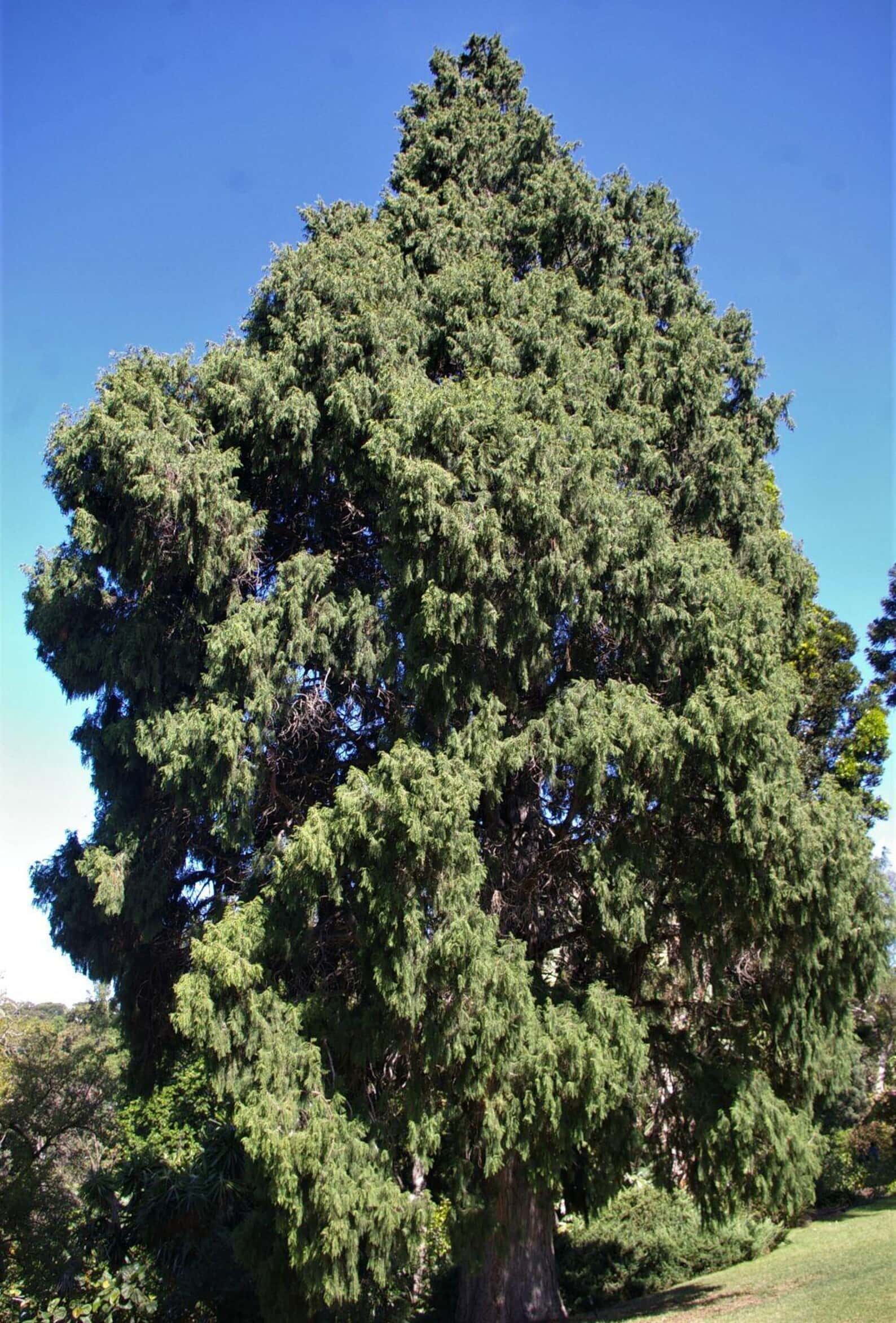
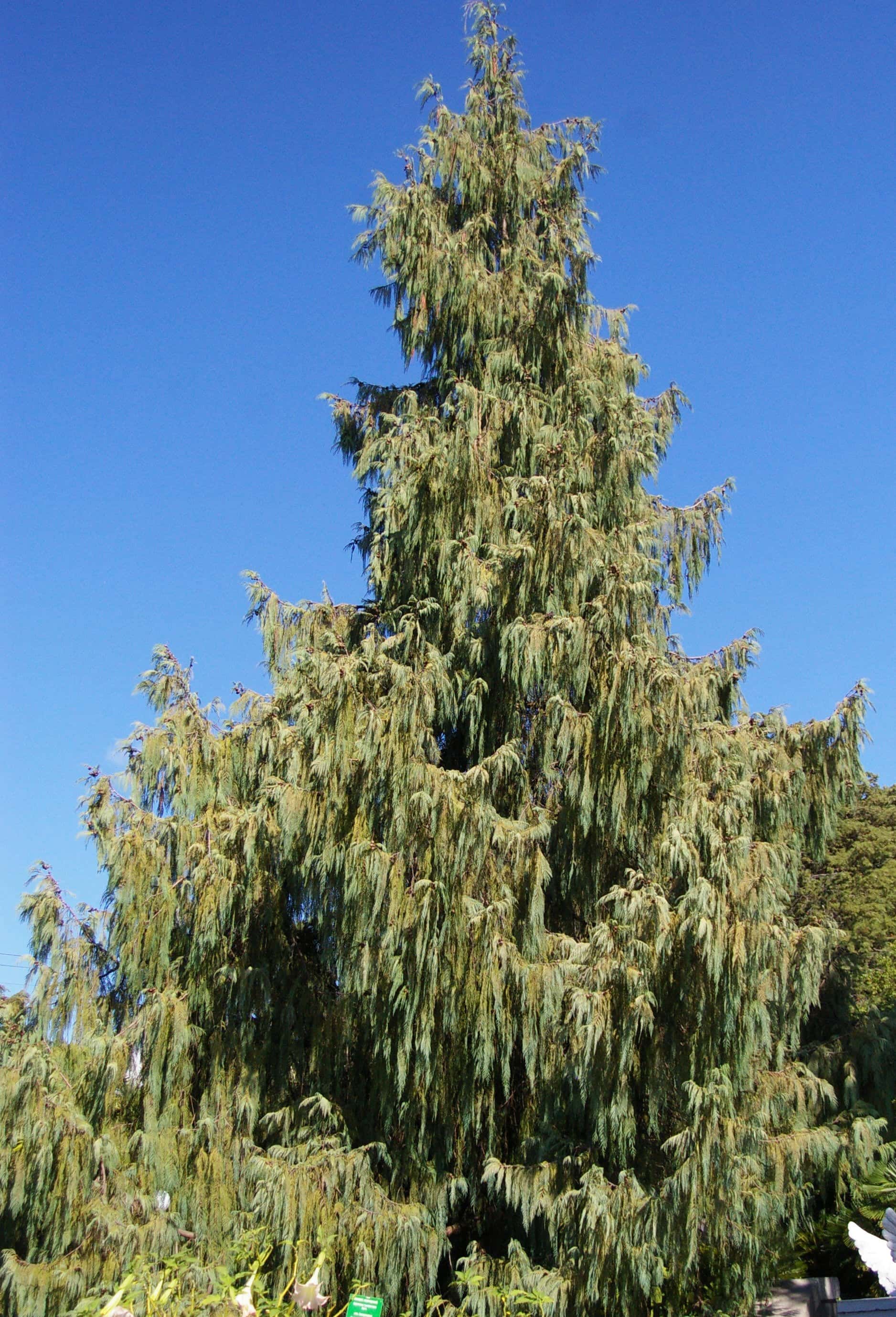
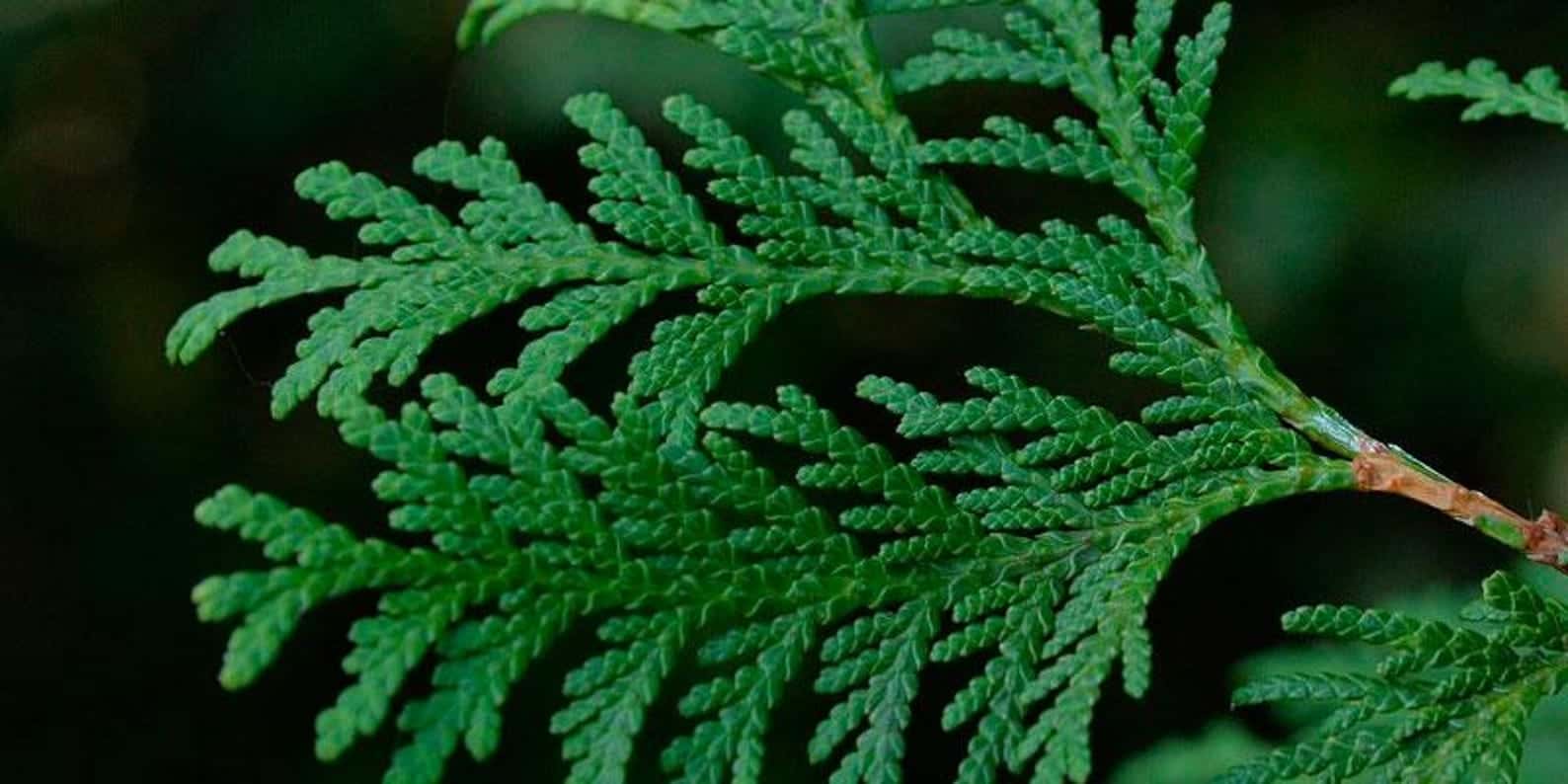
Oriental Arborvitae (Platycladus orientalis) is a compact evergreen conifer with upright sprays of scale-like foliage, a naturally pyramidal form, and small distinctive cones.
Also known as: Oriental arborvitae, Chinese arborvitae, Oriental thuja, Chinese thuja, Cebai, Morpankhi, Morgenländischer Lebensbaum, Thuya d'Orient, Thuja orientalis and Biota orientalis.
For cultivation, choose bright light to full sun in temperate conditions, with protection for small seedlings during severe weather. Use a clean, well-draining, slightly acidic to neutral medium that remains lightly moist during germination. Freshly sown containers should have drainage and good air movement. Natural seed lots vary, so emergence speed and the number of seedlings depend on pretreatment, temperature, moisture, and the grower's conditions.
Seed starting: Sow around 0.5 cm deep and keep near 18–24°C. Label the container with the sowing date, keep it out of standing water, and check moisture regularly. Do not discard a sound pot simply because individual seeds emerge at different times.
After emergence, Give germinated seedlings bright light, ventilation, and careful watering. Transplant after a firm root system develops and acclimate plants gradually before using them outdoors in hedges or specimen positions. This species is also known by the botanical synonym Thuja orientalis.
Seeds are intended for propagation. Before planting outdoors, confirm that the species and your growing method are suitable for your climate, available space, and local rules.