Visit deodar-seeds.in


About this variety
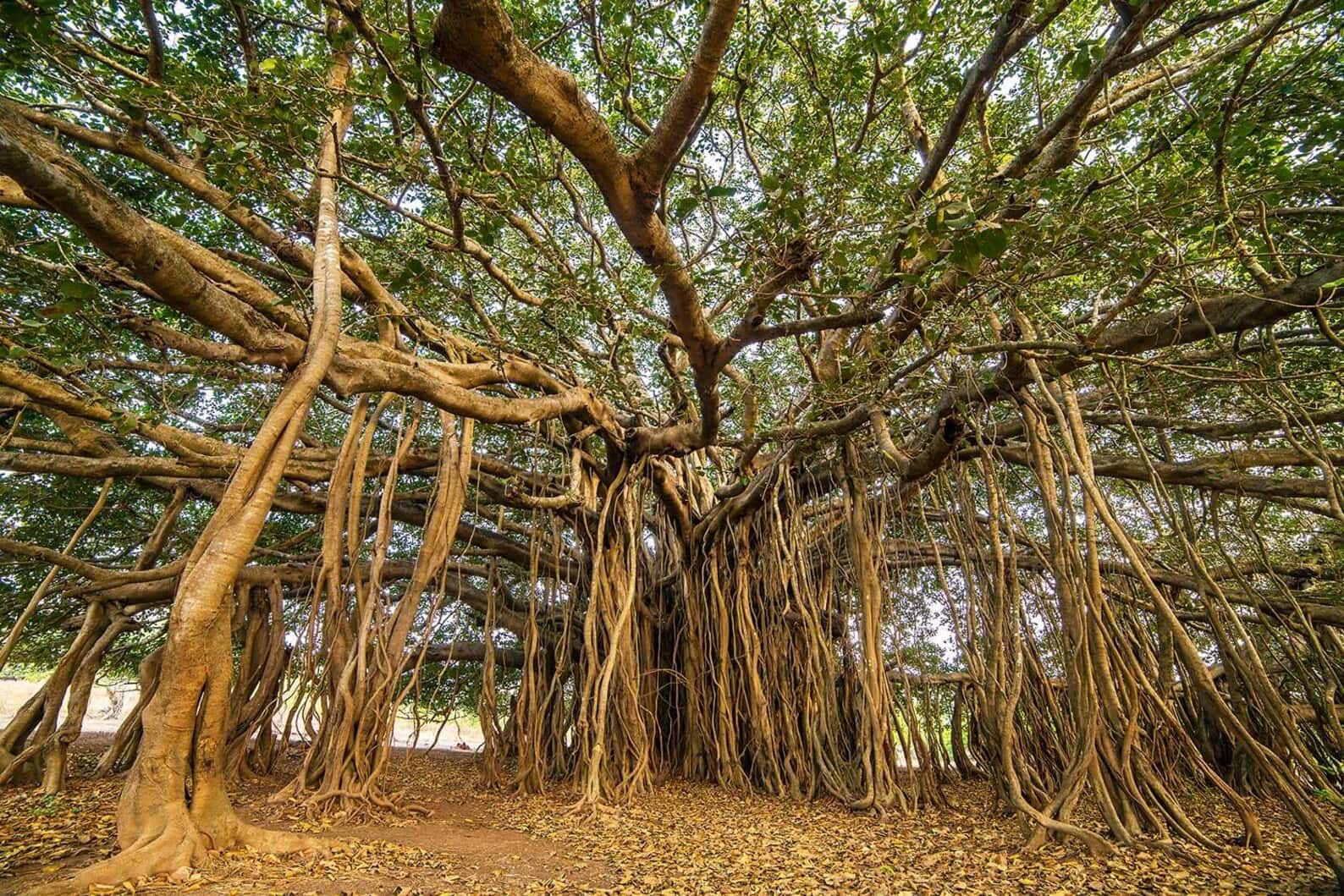
Indian banyan (Ficus benghalensis; Bargad, Vat, Aalamaram) grows from dust-fine seeds that need light to germinate. Most failed sowings come down to three things: the seed was covered, the tray was cold, or it was given up too early. Keep the seed on the surface, keep it warm, and wait at least five weeks before you judge a tray.
Also known as: Indian banyan, Banyan fig, Bargad, Vat, Vad, Aalamaram, Marri, Higuera de Bengala, Figuier des banians and Urostigma benghalense.
What you get and why the pack is large
- 100 seeds for $3.90 or 300 seeds for $8.90, shipped worldwide from India. Dispatch takes 1–2 weeks.
- Collected where the pollinator lives. Banyan figs set viable seed only when they are pollinated by their own fig wasp, Eupristina masoni. Where the wasp is absent, as in Hawaii, planted banyans produce no viable seed. Growers in Florida, where the wasp is scarce, report few good seeds from local trees. The wasp is native to India, alongside the tree.
- Enough seed for several batches. Indian nursery guidance notes that only a small share of fig seedlings survive to transplant size. With a larger pack you can sow two or three separate batches and still keep a reserve.
- The right species. This is Ficus benghalensis. It is not Ficus microcarpa, which is sold as "Chinese banyan" or ginseng ficus, and it is not Ficus religiosa, the peepal.
Will a banyan grow where you live?
| Your climate | What to expect |
|---|---|
| USDA 10a–12b, frost-free (South Florida, Hawaii, tropical and subtropical Australia, lowland India) | Can be planted out and grows into a full tree. It needs more than 60 ft (18 m) of open space. |
| USDA zone 9, occasional frost | Expect freeze damage below about 25–30 °F (−4 to −1 °C), and young plants are hit hardest. Keep it in a container for the first winters. |
| Colder climates (UK, most of the US, Canada and Europe) | Grow it as a houseplant, conservatory tree or bonsai at 65–80 °F (18–27 °C), away from cold drafts. Indoor plants do not form aerial roots. |
Choose the planting spot before you sow. Banyan roots can damage foundations, drains and paving. The canopy keeps spreading as aerial roots grow down and thicken into extra trunks.
How to germinate banyan seeds
- Mix: fill a shallow tray or pot with a fine, sandy, free-draining seed mix. Water it before you sow.
- Bulk the seed: stir the seeds into a pinch of fine dry sand. Indian nurseries do this to spread fig seed evenly.
- Sow on the surface: scatter the sand and seed thinly, then press it down lightly. Do not cover it.
- Cover and warm: put a clear lid or bag over the tray. Keep it at about 68–95 °F (20–35 °C), the range in which a closely related fig germinated best in lab tests. A heat mat helps in a cool house.
- Light: give it bright, indirect light or a grow light. Keep a covered tray out of direct midday sun.
- Water from below: stand the tray in water until the surface darkens, or mist it. Keep the surface moist but never waterlogged.
Three mistakes that waste a sowing
- Burying the seed. Some advice says to plant banyan seed in a 2-inch hole, which does not work for figs. In lab tests on a related fig, seed kept in darkness for 35 days did not germinate at all. It sprouted quickly once it was moved into light.
- Chilling it. Forum advice sometimes calls for a month or two in the fridge. This is a tropical tree, and the Indian nursery methods cited here use no cold treatment. Sow it warm.
- Watering from above. Pouring water from a jug or can washes the seed into clumps or buries it. Nursery trials also record excess watering as a cause of seedling losses.
Optional trial: an Indian nursery study of four Ficus species found that soaking seed for 10 minutes in water at 60 °C (140 °F) gave the best germination of the treatments it tested. To try it, soak half the seed, sow the other half untreated, and label both.
From specks to first repotting
- Weeks 1–5: the first seedlings are tiny green specks. One grower's seedlings appeared after about a month. Keep the tray going for at least five weeks.
- First true leaves: open the cover for a few hours a day, then remove it over about a week.
- Pricking out: fig seedlings are too fragile to move one at a time at first. Lift small clumps with soil attached and separate them later. Keep them in shade for the first week after each move.
- Two or three pairs of leaves: growers say the seedlings are easy to grow from this point. Pot them up one per pot, increase the light gradually, and let the top of the mix dry slightly between waterings.
Wear gloves when you prune older plants. The milky sap can irritate skin, and the plant is toxic to pets if they chew it.
Pack and seed data
| Parameter | Value | Status |
|---|---|---|
| Pack sizes | 100 seeds ($3.90) / 300 seeds ($8.90) | Confirmed |
| Storage behaviour | Orthodox (tolerates drying) | Approximate, from species data |
| Viability | About 2 years in open storage at room temperature | Approximate, from species data |
| Germination rate | Not stated. It varies with lot, seed age and conditions. | No data |
| Seed size and count per gram | Dust-fine. Not measured for this lot. | No data |
| Sowing depth | On the surface, uncovered | Method guidance |
FAQ
How many seeds should I sow at once?
From a 100-seed pack, sow about a third and keep the rest dry and sealed. If the first tray fails, you can change one thing, such as warmth, light or the hot-water trial, and sow again. Species data put viability at about two years, so a batch next season is also realistic.
Can I collect seed from a banyan near me instead?
Only if its pollinating wasp lives in your area. Outside the native range, banyan figs often hold few or no viable seeds, even when the fruit looks ripe.
Can I keep it as a bonsai?
Yes. In cold climates it is grown as a bonsai or a houseplant. Species notes suggest repotting every 2–3 years, ideally in spring before new growth starts, and say the roots can be cut back by half at repotting.
Can I sow in winter?
Yes, indoors with bottom heat and a grow light. Warmth and light matter more than the month.
Seed note: seeds are living material. How fast and how well they germinate depends on seed age, storage, temperature and moisture. Label each batch with its sowing date and any treatment.